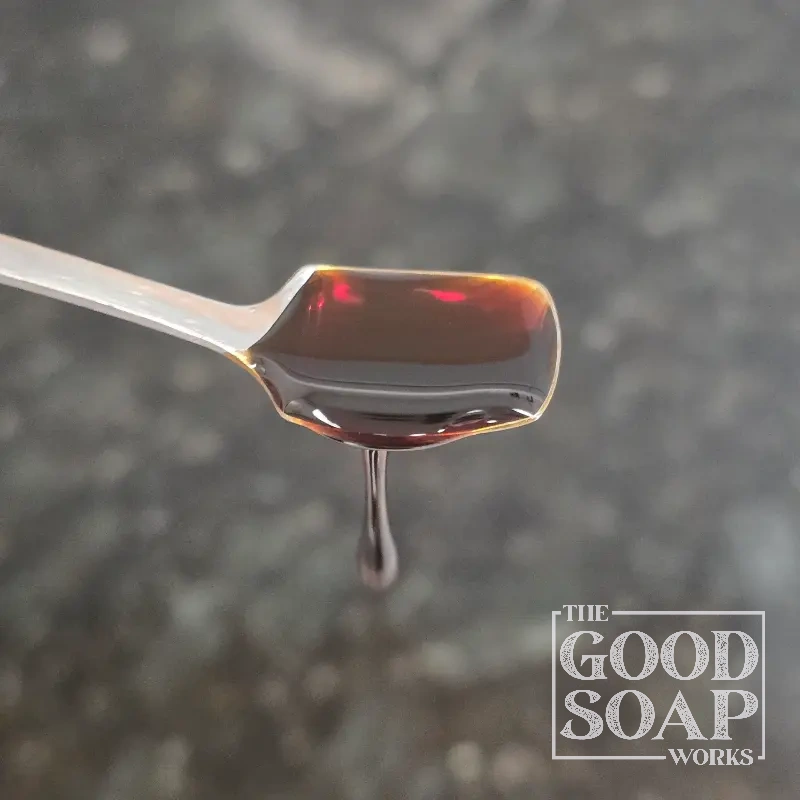

Pine tar has one of the more rugged origin stories in the soap world. For centuries it was a working substance — used to waterproof ships, protect wooden tools, and treat the hooves and hides of livestock. Scandinavian fishermen smeared it on their boats. Blacksmiths kept it in their shops. Somewhere along the way, people noticed that the workers who handled pine tar regularly seemed to have remarkably good skin, and the ingredient quietly made its way into medicine and personal care. By the 19th century, pine tar soap was a staple in pharmacies across Europe and America.
It has a distinctly smoky, woodsy scent that people tend to feel strongly about — you either love it or you don’t — and a dark, rich color that comes from the slow, high-heat distillation of pine wood. For skin that’s prone to dryness, flaking, or general grumpiness, pine tar has a long folk tradition of bringing relief, and dermatologists have taken enough notice over the years to study it seriously. It’s not a subtle ingredient, and it’s not trying to be.
Best Uses: Scalp and hair bars, problem-skin formulas, outdoor and working-person soaps, and anyone who wants something with serious history behind it.