$8.00
If you’ve ever wanted to make your own soap but weren’t sure where to start, this is the course to start with. The 100% Tallow Soap is a three-ingredient cold process soap — tallow, water, and lye — which makes it one of the most approachable formulas in the craft. No blended oils to measure, no complicated calculations, no long shopping list. Just the essentials, done well.
Choose the option that fits where you are:


Cost Analysis: $

First Time Making Soap?: $$$
I can't believe how long these soaps last in the shower...3x longer than my old name brand soap. And I love how my skin feels using 100% tallow soap.
There is something deeply satisfying about making something from scratch that you use every day — especially when what you're replacing is a commercial product full of ingredients you can't pronounce, made by a company that doesn't know your name.
This course is for the woman who has decided to stop outsourcing her family's personal care. Maybe she's been buying natural soap for a while and started wondering if she could make it herself. Maybe she's deep into the homesteading mindset and soap making is the next skill on the list. Maybe she just wants to know what's in the bar her kids use. Whatever brought her here, this course gives her a real, working foundation.
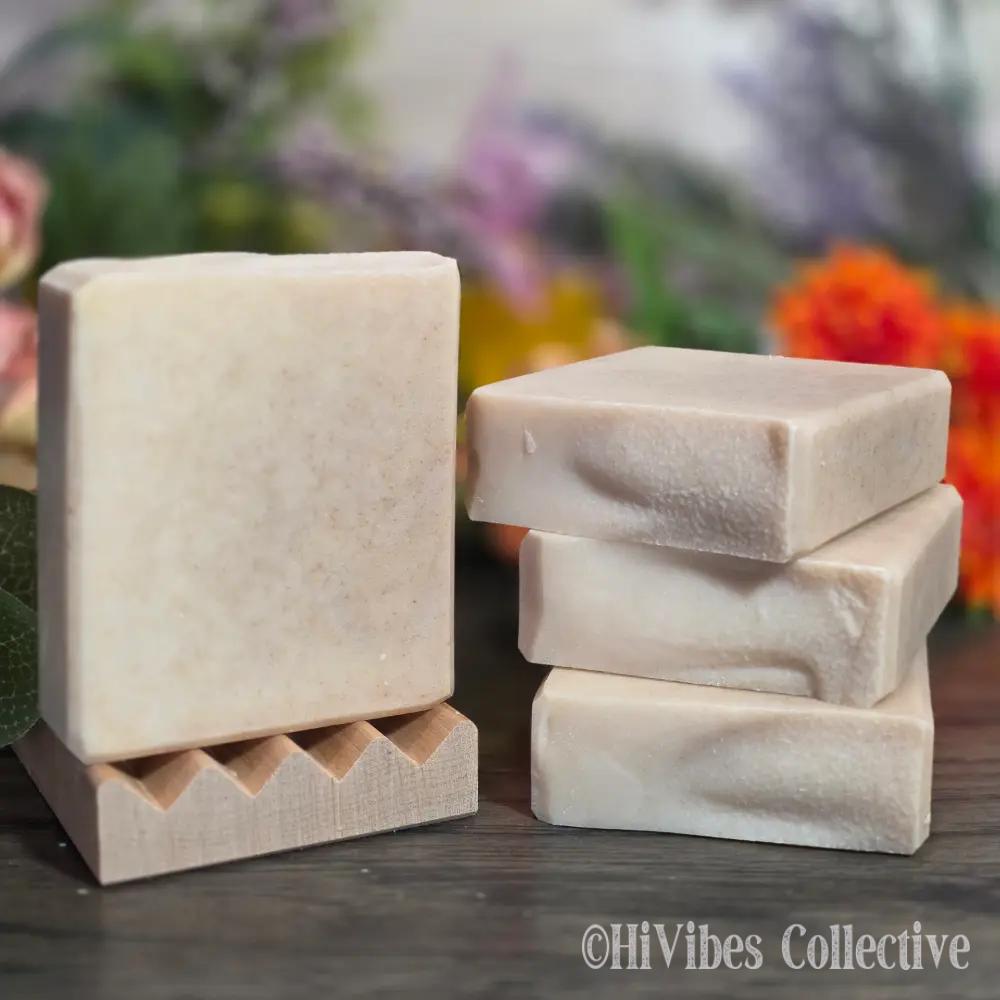
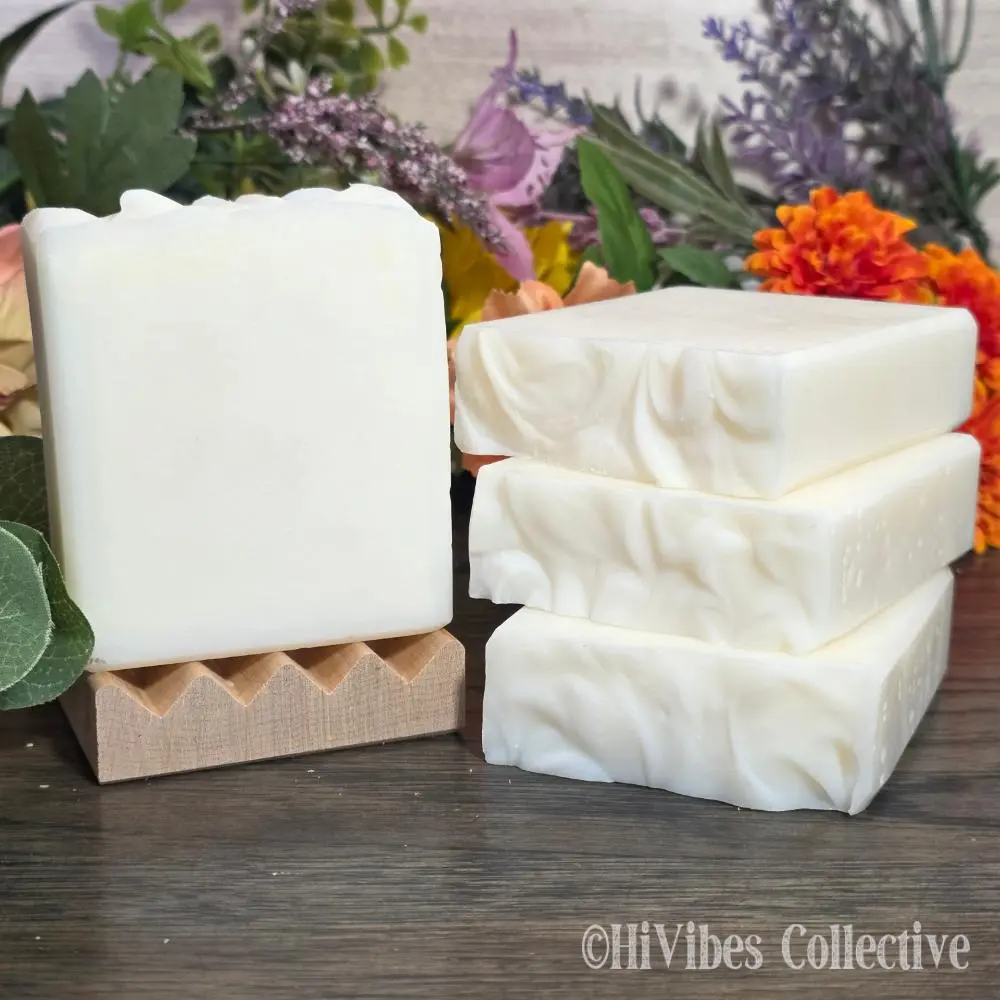
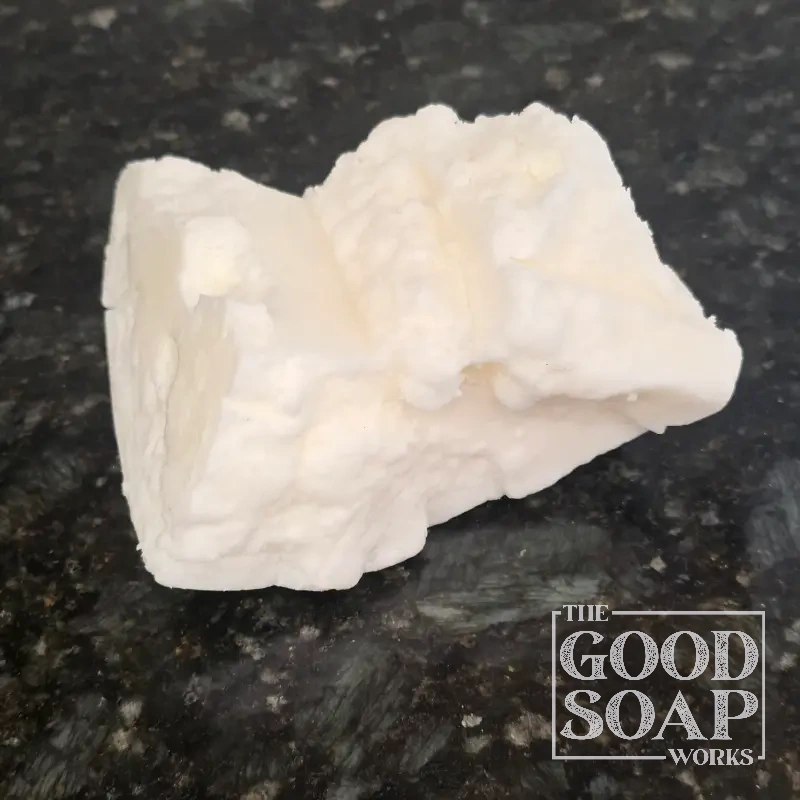
The 100% Tallow Soap is the ideal starting point — not because it's a compromise, but because it's genuinely one of the finest formulas in cold process soap making. Grass-fed tallow produces a hard, long-lasting bar with a creamy lather and a fatty acid profile that sits remarkably close to the natural oils of human skin. Three ingredients. No additives needed. No long list of oils to source, weigh, and balance. The simplicity is the point.
The Full Video Course takes you through the entire process from start to finish — buying your ingredients (with links to quality sources), setting up your workspace safely, understanding lye and how to handle it with confidence, mixing and pouring, and knowing what to expect through the cure. Every step is covered. Nothing is assumed. Tips and tricks are woven throughout, the kind that come from making the same mistakes so you don't have to. This is the right choice if you've never made cold process soap before, or if you've made a batch or two and want a solid, reliable process to build from.
The PDF Recipe & Instructions delivers the complete recipe and step-by-step instructions as a downloadable file — available immediately after purchase. This option is for makers who already have the tools, know the safety protocols, and just need the formula. No video, no hand-holding — just the recipe, clean and complete.
The Comparison Bar is an optional add-on — a bar of Good Soap Works Pure Tallow Soap made from this exact formula. Having a finished bar to hold, smell, and lather alongside your own first batch gives you something concrete to aim for and a real reference point for what the finished product should be. It's not required, but makers who add it tend to find it genuinely useful.
This course is priced to be accessible. The goal is to give you the confidence and the knowledge to make a bar of soap you're proud of — and to keep making it.
Full Course: Each full course includes a series of sections, each including a video as well as downloadable information and instructions. If you are new to soap making, the full course will be more beneficial than just the PDF instructions.
PDF Download: Our PDF download is our full step-by-step instructions in written form. We include pictures and the soap/skincare recipe set in the amounts we use for our course, as well as percentages for you to adjust the recipe yourself.
Intermediate Level - The PDF instructions are for people who have made soap before and have the following knowledge:
No, not if you follow the safety protocols.
Our soap courses are mainly for cold process soap with a couple hot process soap courses thrown in for good measure. Both cold and hot process soap use Lye (Sodium Hydroxide or Caustic Soda) as the catalyst to change the oils/fats into soap.
Without Lye, you don't have real soap.
Lye is sold and used as a drain cleaner at any grocery or hardware store. When you pour the lye in the sink and turn on the water, it's the same process as adding lye to water for our soap recipes. However, you are standing near it and there is a potential for splashing when combining the lye and the water (or milk). There is also a chance for splashing when pouring the lye solution into the oils/fats or when blending them together. Dry lye granules can also burn the skin if spilled.
In short, whenever you are working with lye, you need to follow the safety guidelines. Our safety section is always included in every course we sell as a reminder to always treat Lye with respect.
Check our FAQs below for more information about Lye.
Yes, as soon as the purchase is complete, the following will happen:
Full Course - You will receive an email with the login information for the course and the membership area. The course includes everything mentioned above. Save the login link. You can also find the login link to the membership area above, under "Account".
PDF Download - If you ordered just the PDF Instructions, you will receive an email or the download will just open automatically so you can save it to your computer or phone. You can also find the link in your account, under "Orders". The link does not have an expiration date, so you should always be able to go back and re-download it if you need to.
If you don't receive the email(s) or download in a timely manner, please contact us so we can help you.
We are gearing up to start a monthly membership just for our students. For a one-time fee, you will have access to a new soap or skincare course each month (and save money, too!). Each course will be brand new, so no worrying that you've already bought the course.
As we get closer to launch, we will finalize details and open it up for students.

| 5 star | 100% | |
| 4 star | 0% | |
| 3 star | 0% | |
| 2 star | 0% | |
| 1 star | 0% |


This lip balm isn't dry like others I've tried, it actually glides on like silk and keeps my lips moist without being greasy. Another five star product from HiVibes Collective, thanks!
If you would like to include your older children in your soap making endeavors, please make sure they listen to the safety video and understand that all the safety measures are there to keep them safe. High school science labs require safety measures in place when working with any chemicals. You can explain our safety measures are exactly the same.
We do not state an age requirement, because your know your child's behavior. If your child takes you seriously, listens to your instructions and can follow them, then they will be fine. If they horse around, do not take your instructions seriously or can't understand the seriousness of the safety guidelines, then please do not include them.
Ultimately, the responsibility lies with you as the parent. We are not responsible for accidents or injuries to you or your child.
If you would like to include your younger children, they can watch at a safe distance. If you want them to participate, I recommend buying a melt & pour base to make your soap instead. Melt & pour bases include the lye, but the saponification process is already complete. You simply melt it and pour into the molds. You can also add fragrance oils or essential oils as well as a colorant, but make sure you understand and follow guidelines on each ingredient you add. I do not offer melt & pour courses since the actual soap making process is already complete. However, these soap bases are really fun for kids because you can still swirl colors and pour into a fun mold.
(Do not let small children handle essential oils or fragrance oils. These are toxic and harmful when spilled directly onto the skin or accidentally wiped into the eyes. Use the same safety cautions as lye until the scent is mixed/diluted into the melted soap base.)
It really depends on your experience level and the types of butters/fats you are using in the recipe. Some butters or fats require a sustained heat point for a few minutes. Others don't need any heat at all.
If you have never made soap before, plan on having a 2-hour dedicated timeframe away from distractions. Distractions include small children, pets, phone calls, etc. Some mothers of small children like to tackle their soap making after the kids go to bed.
The phone? Yep, set it to silent when you are concentrating on soap making. A phone call answered at the wrong moment can either lower your concentration level that is needed when working with lye, or stop you from making that cool topper design because you missed the window of opportunity. (Ask me how I know, lol.)
I mentioned a few distractions above in the "how long does it take" question, because distractions can slow you down or make you miss your window of opportunity for certain steps.
In addition, distractions can make you lose your concentration when using lye. You don't want to flirt with an accident because you were trying to contain a small child or pet.
The best time to make soap is when you can be completely free of distractions for at least a couple hours.
Small Children - Take advantage of your spouse being home, during nap time or after bed time, away play dates or older kids being able to babysit.
Pets - Lock your pet away from your area. Lye can be just as caustic for them and having them underfoot is dangerous for both of you.
Phone - Set your phone to silent and ignore everything else while you learn to make soap. This is the safest method of making soap. Period.
Once you are competent with soap making, you can decide how much and what kind of distractions are allowed in your area without it affecting your level of concentration or safety. Until then, let your family know you are completely unavailable for a certain amount of time.
The best place to make soap is where you have all four of these:
For most people starting out, the kitchen table or counter is the best place. Clean the kitchen and do the dishes, so everything is out of the way. You don't want unsaponified soap and/or lye contaminating anything used for making or serving food.
If you have a workshop or garage, use it. If you don't have a sink out there, that's ok, you have options and we'll discuss it in the course.
If your area doesn't have good ventilation, that's ok, too. You can mix your lye solution outside. We'll discuss this in the course as well.
It is better to be safe than sorry when it comes to the supplies and equipment you use. Yes, you can wash your kitchen bowls and immersion blender, but what if you miss something?
It's cheaper to buy gently used bowls and utensils from goodwill than end up at the emergency room.
We'll give you the full list of items you will need and the best places to buy them, cheap.
Yep, the saponification process is done within 48-72 hours, but the real magic happens in the subsequent 4-6 weeks.
As your soap cures, it loses water weight and starts to dry. The more dry, the longer and harder your bar is and the longer your bar lasts.
You can use your soap after the 72-hour window has passed, but your soap will disintegrate in the shower in just a few days or a week. However, you can "try out" one of your soap bars and check out the lather and suds. Then put it away for a month.
Depending on the recipe, your soap will be ready to use within 4-6 weeks. Most of the water will have evaporated and the soap will have shrunk by about 10 percent.
Yes, it will be hard to be patient, I remember it well.
Want a really great bar of soap? Set it in your storage room for 10 years, then use it. BEST SOAP EVER.
Not all of my courses are geared towards beginners. Under the "Add to Cart" button, you will see the following information:

Each course will tell you if it is a "Beginner" or "Intermediate" course. It will also tell you the approximate cost for the supplies and ingredients for the recipe.
The beginner courses have everything you need to successfully make that soap without any prior experience.
The intermediate courses are for people who have made soap before, have the equipment, understand the soap calculator, have worked with lye, etc.
All the courses have this image under the "Add to Cart" button:
Each course will tell you if it is a "Beginner" or "Intermediate" course. It will also tell you the approximate cost for the supplies and ingredients for the recipe. This varies greatly on where you buy and how much you buy.
For your first course, the cost will be higher because you will be investing in the equipment & supplies, the safety equipment, and the base ingredients. After that, you will have less investment because you will already have a lot of the items you need to make the same recipe over again or try another course.
In each course, I give you a shopping list with links of the best places to buy your supplies and ingredients. This way you aren't buying unnecessary items, items you "think you might need" or fun stuff that you might want to add to a subsequent batch. You will have a list of only the items you will need for this batch. No more, no less. If you find that soap making isn't for you, then you won't have a bunch of expensive equipment or 10 pounds of cocoa butter you need to offload before it goes bad.
Check out the last FAQ about the cost of equipment and supplies.
If you want to calculate how much your first batch of soap will cost, it'll be easy. Just keep your receipts and add it up. It's not going to be cheap. But, as you continue to make batches of soap, your costs will decline.
Your first batch may cost you $10/bar when it's all said and done. (Yes, this is an expensive hobby.)
But, once you get a few batches under your belt, you could get down to $5/bar depending on your ingredient costs. We'll talk more about the pros & cons of buying in bulk and when to consider buying more to save money.
In this economy, even professional soap makers who buy their ingredients by the vat or drum, are lucky if they can make soap for $1.50/bar. Then add labor, packaging, shipping and marketing to it and you can see why handmade soap is expensive to buy.
For some reason I love expensive hobbies. Then I get hooked!
I was actually doing research for my other expensive hobby of learning to be more self-reliant. Soap making was on my list of about 50 other things. This one stuck and I'm in it for the long haul.
I love not only the ability to feel more self-sufficient, but I love that soap is an actual necessity.
Every bar is different; in look, shape, style. I never tire from trying new recipes, scent combinations, etc.
For my business, however, I lean towards using animal fats (tallow and lard) because when push comes to shove, we probably won't be able to find the exotic cocoa butter or marula oil some recipes call for. Even shea butter and olive oil is imported into the US. Tallow and lard will be the easiest thing to get a hold of if things go south, and knowing how to make it will be an asset in our arsenal.
In addition, if you are a family that is trying to reduce the toxic ingredients in your every day life, changing up the soap and skincare items you use is a great start to making your skin more happy. Our ancestors used tallow and lard in their skincare routine, and they had flawless skin. (Just look at your great-grandmother's picture and see if you can find a blemish.)
Our ancestors used to make soap by hand and it took a lot more effort than it takes us today. But I think I feel just as accomplished when I make another batch.
In the olden days, people used pot ash to create potassium hydroxide. They would burn their hardwood in their fireplace, then scoop out the ash and put it in a barrel. They would pour water over the ash and let it sit for a while. The water would filter through the ash and create potassium hydroxide. A few people on YT have videos explaining the concept.
Once they retrieved the potassium hydroxide solution, they would add their melted animal fats to it and create a very soft soap. In order to harden the bar, they needed to add salt (hence the sodium in sodium hydroxide).
Back then it was a crap shoot as to the concentration of potassium hydroxide and the amount of fats they should add. Many journals of people's ancestors recount mentioning how they hated bathing with lye soap because it was too strong and would strip or irritate the skin. They had no way to measure the correct amount of lye to fats. In lye heavy soap, there wasn't enough fats to complete the process and lye was left in the final bar.
Today, lye is made in a lab where we have the ability to be consistent in its process. As soap makers, we have access to soap/lye calculators that tell us exactly how much lye to use based on the types of butters/oils/fats in our recipe. If we follow our recipe, our soap comes out correct. After 48-72 hours the saponification process is complete and there is no more lye present in the soap at all.
Although the lye we use today isn't considered "natural", because there is none of it left in the soap, many soap makers label their handmade soap as "natural" if all the other ingredients are considered natural.
I'm not a chemistry major, so this is a watered-down version of what happens.
Saponification is the chemical reaction that occurs when oils, butters, or fats are combined with a lye solution (sodium hydroxide). During this process, the lye breaks apart the fatty acids and completely transforms them into soap and glycerin.
By the time saponification is complete, there is no active lye remaining in a properly formulated bar—only finished soap.
What about pH?
Lye starts out with a very high pH, but as it reacts with the oils, it is used up in the process. Finished soap typically has a pH around 9–11, which is normal for true soap made through saponification.
How does soap clean?
Soap cleans by lifting away dirt, oils, and impurities so they can be rinsed off the skin. While its higher pH can make it less hospitable for some microorganisms, soap’s primary role is cleansing—not acting as a disinfectant.
As a side note: The glycerin mentioned above is a humectant and helps keep our skin soft and hydrated. However, commercial soap is stripped of it's glycerin to be used in other products. Just another reason to stop using commercial soap.
Beef Tallow, Distilled Water, Sodium Hydroxide
*Ingredient lists are subject to change, please refer to product packaging for the most accurate and up-to-date ingredients.