Stinging nettle has a reputation problem. Most people’s first encounter with it is accidental and unpleasant — a brush against the wrong plant on a hiking trail, a sting that lingers for an hour. But herbalists across Europe and Asia have been using nettle medicinally for so long that it appears in texts dating back to ancient Greece. The Romans reportedly brought it to Britain specifically because soldiers used it to flagellate their limbs in the cold — a warming technique that says a lot about Roman fortitude and also about how well they understood the plant’s circulation-stimulating properties.
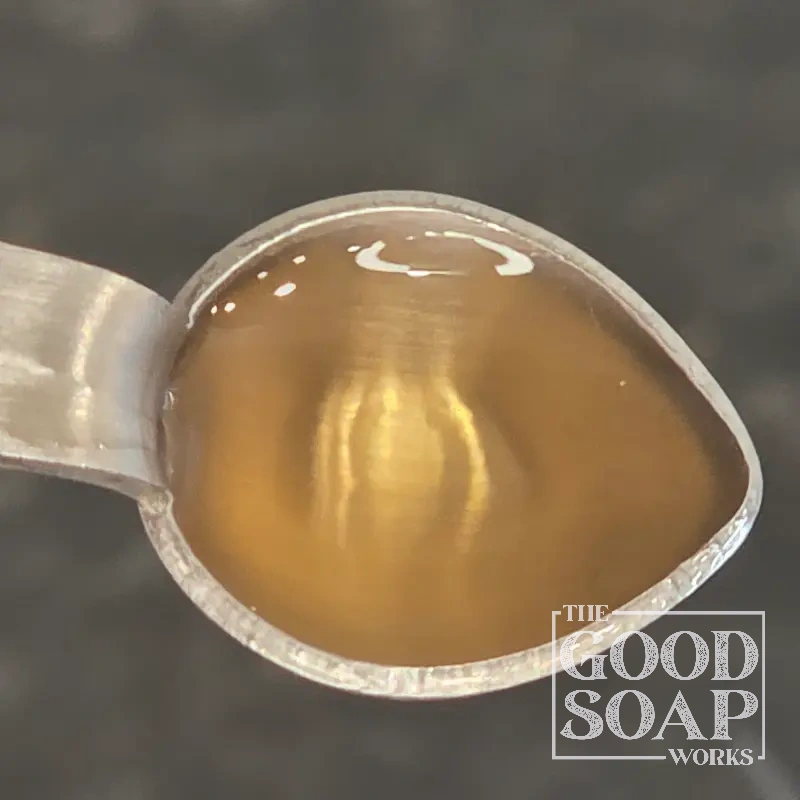
As an extract in soap and hair care, the sting is long gone — what remains are the beneficial compounds that made nettle worth harvesting in the first place. It has a long folk tradition as a scalp and hair tonic, with generations of herbalists recommending nettle rinses for hair that was thinning, lackluster, or prone to oiliness. In soap, it contributes a gentle green note and a reputation for supporting skin that needs a little extra attention. It’s an underdog ingredient with a surprisingly devoted following.
Best Uses: Scalp and hair bars, formulas for oily or combination skin, and any soap where a botanically rich, herb-forward character is part of the appeal.